


Buying heady glass
Glass isn't just a tool — it's how you experience your ritual. The right piece can transform your sessions, whether that means smoother draws, better flavor preservation, or simply owning something that reflects your taste.
But the glass market can feel overwhelming. Heady pieces command gallery prices. Scientific rigs promise precise performance. Budget options flood the market with varying degrees of quality. How do you know what's worth it?
These guides to heady glass break down what you need to know: the difference between borosilicate and soft glass, why percolators actually matter, how to spot quality craftsmanship, and when to invest versus when to save. No gatekeeping, no pretension — just the information you need to find glass that works for how you consume.
Buyers Guides
Understanding Glass
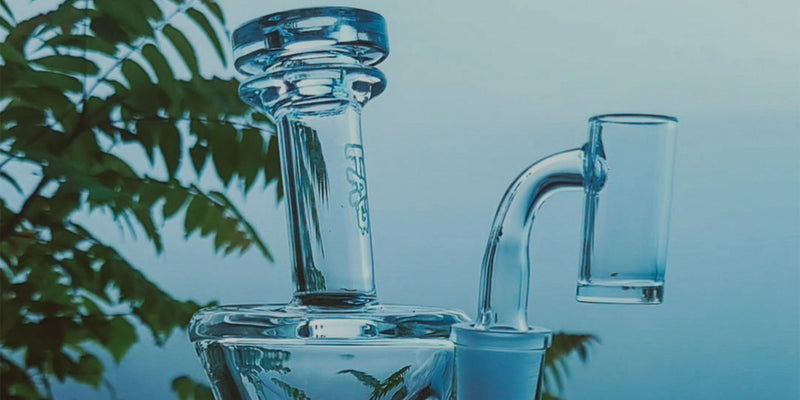
Learn why material matters, how construction affects your experience, and the real differences between mass-produced and handmade pieces.
Heady Glass
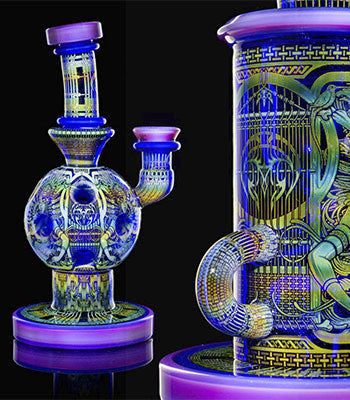
Explore the world of functional art: what makes a piece "heady," the techniques that drive prices, and how to buy from artists worth collecting.
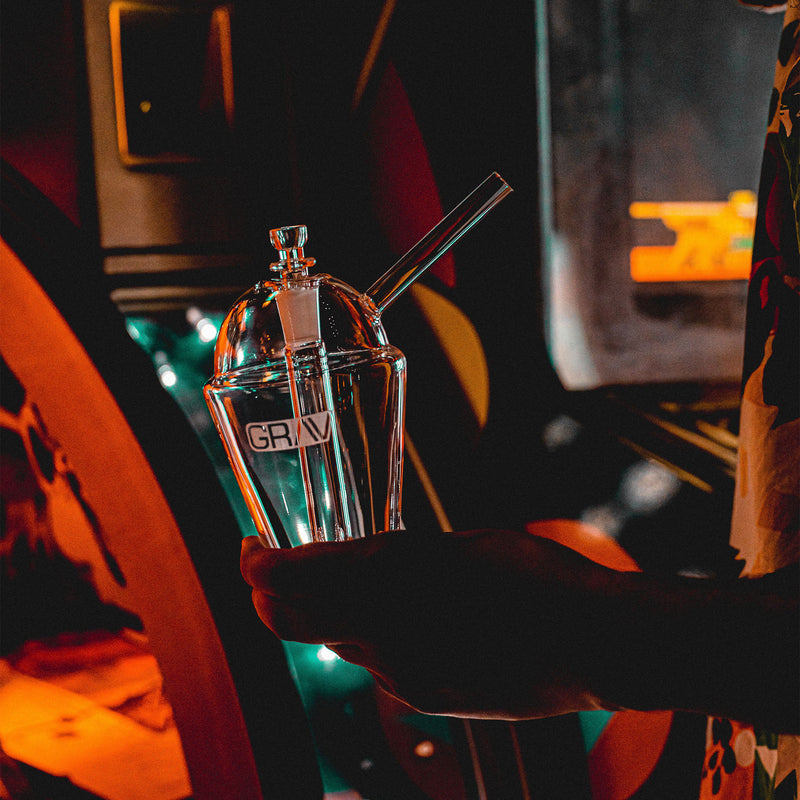
Scientific Glass
Get technical: percolators explained, joint dimensions decoded, and how design choices affect filtration, draw resistance, and maintenance.

Budget and Entry-Level Glass
Find quality without breaking the bank. What to prioritize when spending less, and which compromises are worth making.
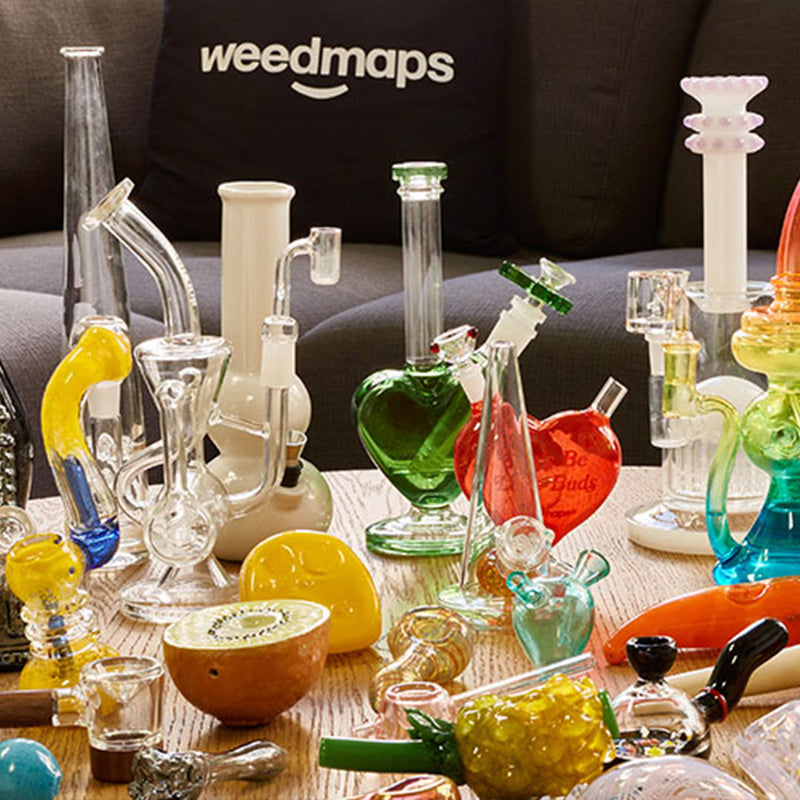
Types of Glass and Devices
From spoon pipes to e-rigs, understand what each device actually does and which one fits your consumption style.
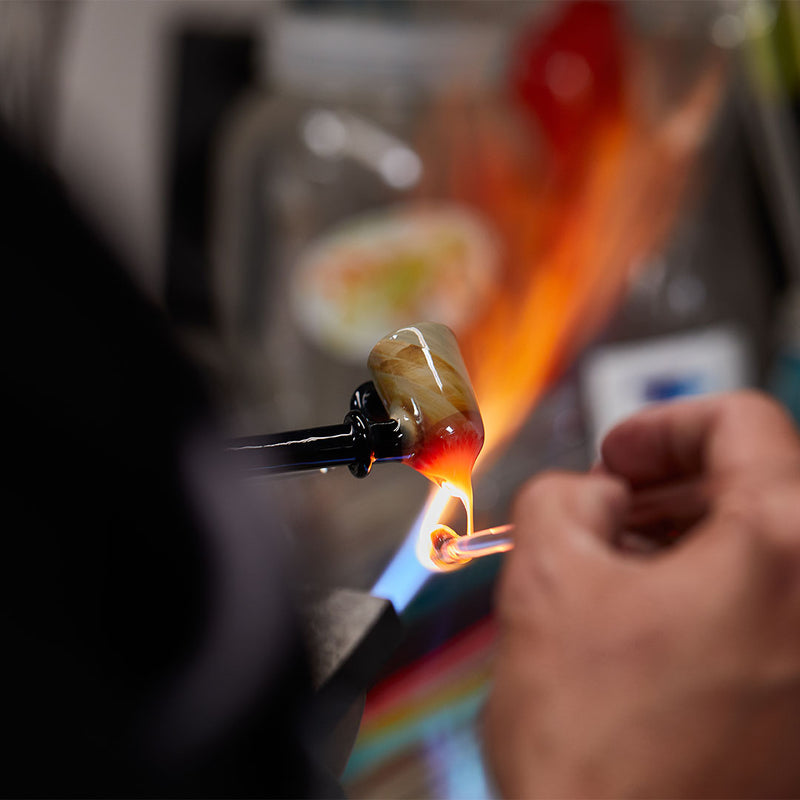
Choosing the Right Piece
Match your needs to the right glass. Whether you prioritize portability, filtration, or collectibility, here's how to narrow your options.

The Culture and Art of Glass
Appreciate the history, recognize influential artists, and understand why glass collecting has evolved into its own distinct world.
Why glass matters
Material makes the difference.
Not all glass is the same. Borosilicate glass — the standard for quality pieces — is chemically inert, meaning what you taste is purely what you packed. The material doesn't interact with heat or consumables, preserving flavor without interference. This is different from regular soda-lime glass, which can't handle thermal stress and degrades quickly with use.
Borosilicate's thermal shock resistance and durability separate legitimate functional tools from disposable novelties. That's why it dominates premium markets — the material science justifies the investment.
Built to last
Quality glass withstands heat cycles through thermal shock resistance. Borosilicate handles torch heat, ice-cold water, and everything in between without compromising its structure. The material's composition — silica and boron trioxide — was originally developed for laboratory equipment that needs to survive extreme conditions.
Function meets form
Well-designed glass controls airflow, diffuses draw, and cools vapor efficiently. Engineering matters as much as aesthetics, and the best pieces balance both without compromise.
Artisan craftsmanship you can see
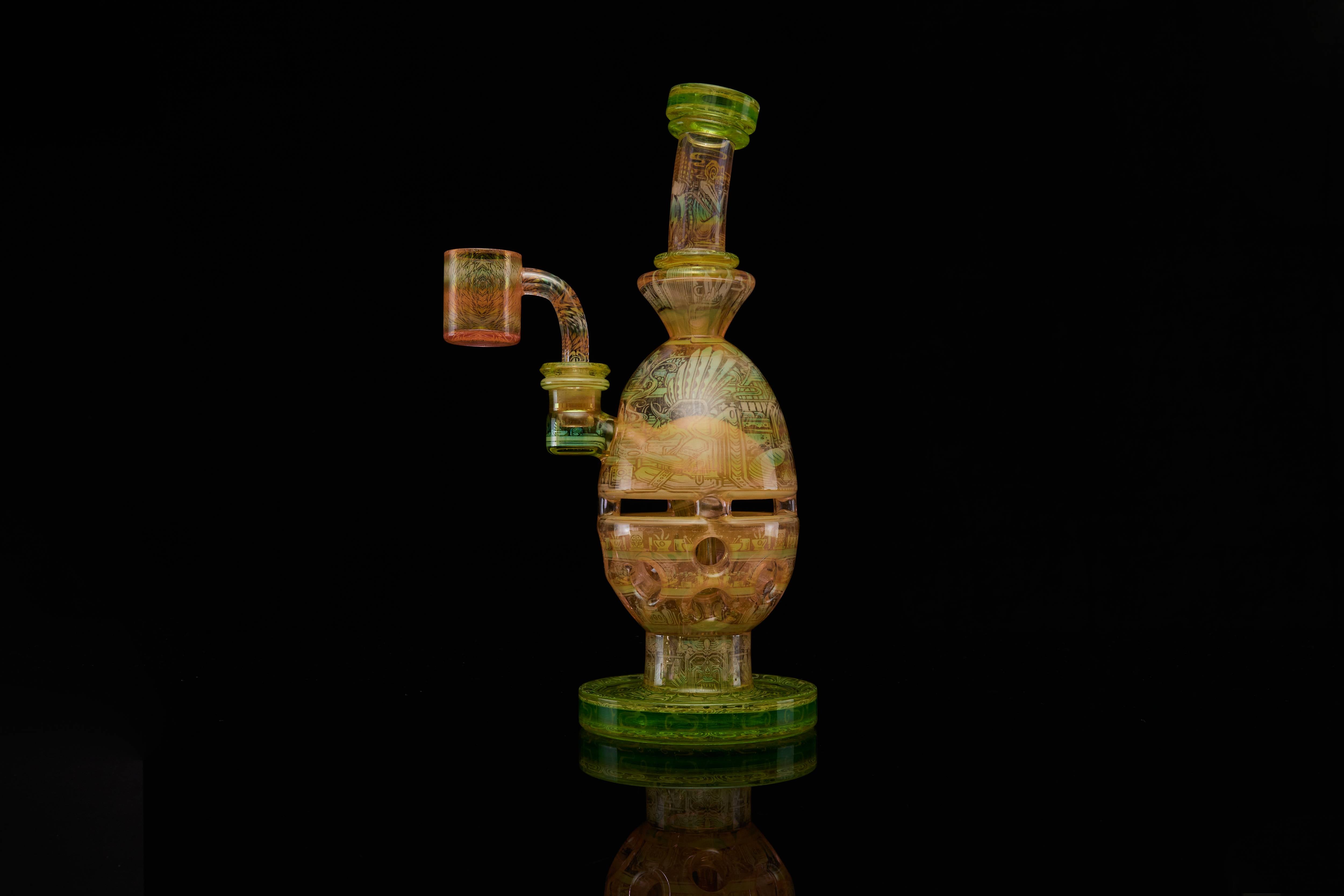
Handmade glass reveals its quality in the details: clean welds, even wall thickness, balanced weight distribution. Mass production can't replicate the precision that comes from skilled hands and focused attention.
Collectible value
Quality glass can appreciate over time. Limited runs from recognized artists, innovative techniques, and cultural significance all contribute to pieces that hold or increase value.