

Glass as functional art
The concept of functional glass art isn't new — utilitarian objects as art spans centuries. What's evolved is the technical sophistication and cultural recognition of contemporary glass artists.
Beyond decoration
Functional glass art must perform — a pipe that doesn't hit well fails as both tool and art. The constraint of function challenges artists to innovate within practical limitations. That tension between aesthetics and utility drives creativity.
Collectibility factors
Like any art market, certain attributes drive collectibility: artist reputation and recognition, technical difficulty of execution, innovation in technique or design, cultural significance within the community, and limited availability (small batch runs or one-of-a-kind pieces).
Investment perspective
Quality glass from recognized artists can appreciate, though appreciation requires rarity, condition, and market timing. Pieces from glassblowers who later gain prominence become more valuable. Limited collaborations command premium prices. Not every piece appreciates, but understanding market dynamics helps identify potentially valuable acquisitions.
Historical context and evolution
Modern functional glass art emerged from multiple influences converging in the late 20th century.
Scientific glassblowing foundation
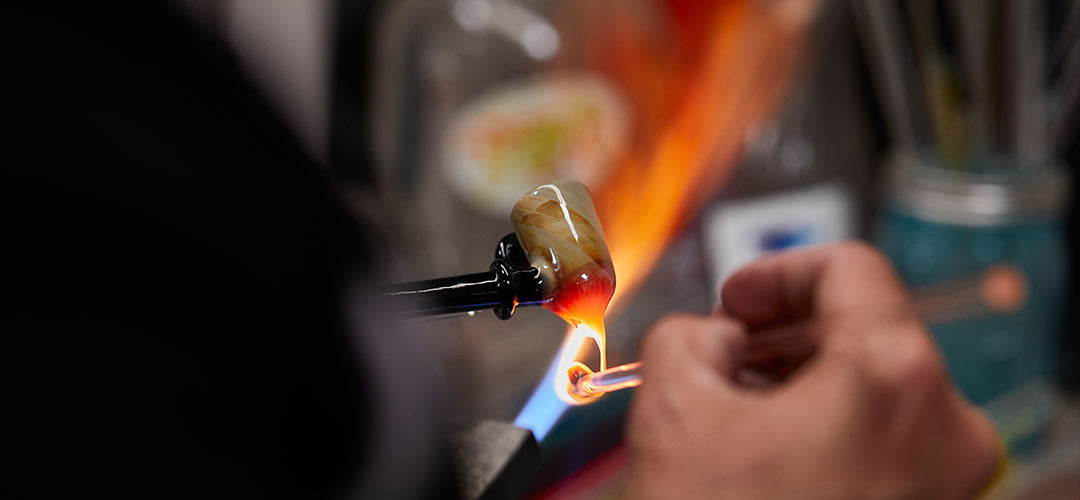
Laboratory glassblowing techniques developed through necessity — researchers needed custom apparatus. Those technical skills transferred to functional art as glassblowers explored creative applications.
Counterculture influence
The 1960s and 1970s saw glass artists create pieces that reflected cultural movements. Bob Snodgrass, often credited as the "grandfather of artistic glass pipes," adapted and popularized techniques like fuming that defined modern heady glass aesthetics.
Legalization impact
As cannabis legalization spread, glass moved from counterculture corners to mainstream acceptance. Artists gained freedom to display work publicly, gallery shows emerged, and collectors invested openly.
Social media revolution
Instagram fundamentally changed the glass market. Artists reach global audiences directly. Collectors discover new makers instantly. Drop culture emerged — limited releases announced and sold through social platforms. The democratization of access elevated previously regional artists to international recognition..
Recognizing influential artists
Certain glassblowers significantly impacted the craft through technical innovation, aesthetic vision, or cultural influence.
Bob Snodgrass
Pioneered fuming techniques and color-changing glass. Influenced generations of artists. His touring with the Grateful Dead in the 1980s spread his work across the country. Many contemporary techniques trace lineage to his innovations.
Banjo Glass
Renowned for sculptural work — intricate creatures, characters, and organic forms. Elevated glass from functional tool to gallery-worthy sculpture while maintaining usability. His pieces command significant prices in the collector market.
SALT Glass
Minimalist aesthetic with focus on precise line work and clean forms. Demonstrates that simplicity executed flawlessly can compete with complex sculpture. Influenced the scientific glass aesthetic by proving that function-first design has artistic merit.
Jason Lee (Mothership Glass)
Pushed technical boundaries with innovative percolator designs and complex internal structures. His work bridges heady artistry and scientific function — pieces that look stunning and perform exceptionally.
Elbo Glass
Known for organic, flowing forms and innovative color work. His pieces feel alive — curves and transitions that suggest natural growth rather than human construction.
Contemporary innovators
New artists constantly emerge, pushing boundaries in unexpected directions. Following active glassblowers on Instagram reveals current innovations and emerging techniques. The community celebrates new approaches rather than gatekeeping established methods.
Understanding glass culture
The glass community has its own language, values, and social dynamics.
Drop culture
Limited releases announced via social media. Pieces sell within minutes. Requires following artists closely and acting fast. Creates urgency but also accessibility — you don't need gallery connections, just timing and budget.
Collaboration respect
When multiple artists work on one piece, each contribution is credited. The community values attribution and respects intellectual property — copying another artist's signature technique without acknowledgment draws criticism.
Function matters
Even the most artistic pieces should function properly. Glass that looks amazing but hits poorly gets criticized. The community maintains that functional art must remain functional.
Regional scenes
Certain cities developed distinct glass cultures: Eugene, Oregon, for scientific precision; Colorado, for heady innovation; California, for surf-influenced aesthetics. Regional styles persist even as social media homogenizes some aspects.
Gallery and show culture
Glass galleries curate functional art alongside traditional fine art. Glass competitions and trade shows (like Champs Trade Show) showcase innovations and connect artists with retailers. These events drive trends and launch new techniques.
Appreciating craftsmanship
Understanding the skill involved enriches your relationship with the pieces you own.
Technical mastery indicators
Perfect welds with no visible seams. Consistent wall thickness throughout complex forms. Color work that flows seamlessly without muddy transitions. Sculptural elements that feel integrated rather than attached. Functional components (percs, joints) that perform as designed.
Artistic vision
The best pieces demonstrate intentional design — every element serves a purpose that is both aesthetically and functionally beneficial. Color choices create mood or visual flow. Proportions feel balanced. Nothing seems arbitrary.
Innovation vs. execution
Some artists pioneer new techniques (innovation). Others perfect existing approaches (execution). Both have value. Innovative pieces push the craft forward; exceptional execution of established techniques demonstrates mastery.
Starting a collection
If glass collecting appeals beyond functional use, consider these approaches.
Develop your taste
Follow artists whose work resonates. Study what draws you in — color palettes, forms, techniques. Your collection should reflect your genuine aesthetic preferences, not what's currently trending.
Start with accessible pieces
You don't need $5,000 rigs to build a meaningful collection. Many talented artists create excellent work at moderate prices. As your eye develops, you'll recognize quality regardless of price point.
Document your collection
Photograph pieces. Note artists, dates, and where you acquired them. Document techniques that interest you. This record increases value if you eventually sell pieces and helps you track your collection's evolution.
Connect with community
Follow glass forums, attend shows, and engage with artists on social media. The community welcomes genuine enthusiasm. Other collectors share knowledge freely.
Balance use and preservation
Some collectors never use their high-end pieces — they're investment and display items. Others believe glass should fulfill its function. There's no wrong approach. Decide what matters to you.